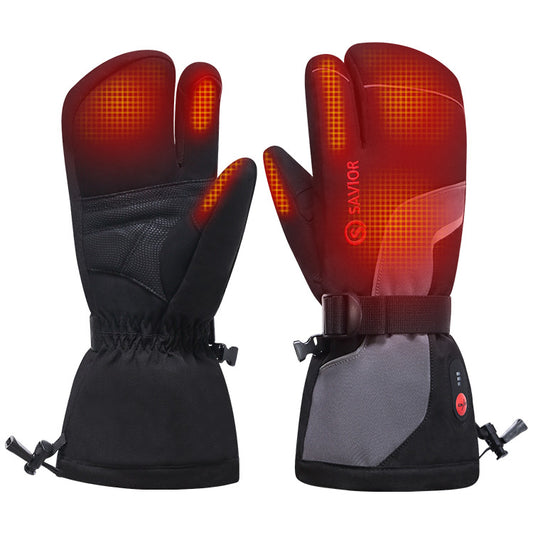
Heated Gloves for Winter Outdoor Use
Explore our battery heated gloves built for winter outdoor use. Compare insulation, waterproofing, heat levels, and battery runtime to find the right pair for skiing, work, riding, and everyday cold weather.
FAQ: Heated Gloves & Winter Warming Gloves
How do heated gloves work?
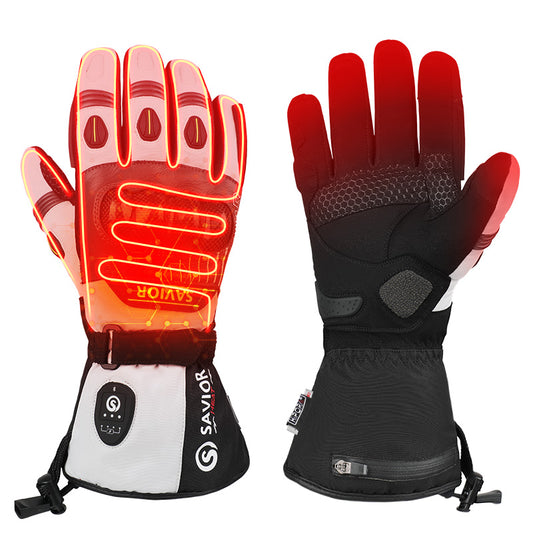
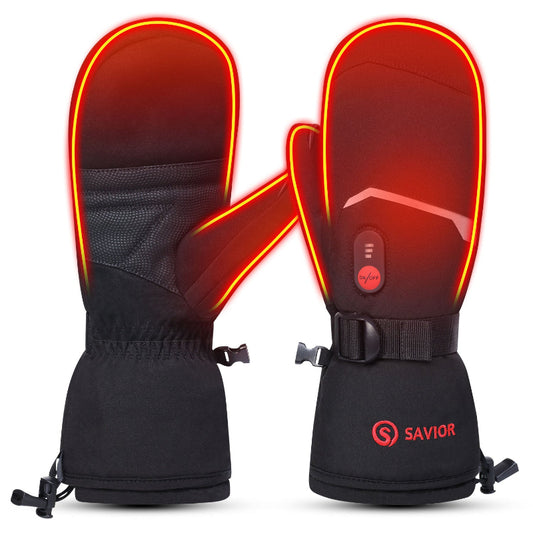
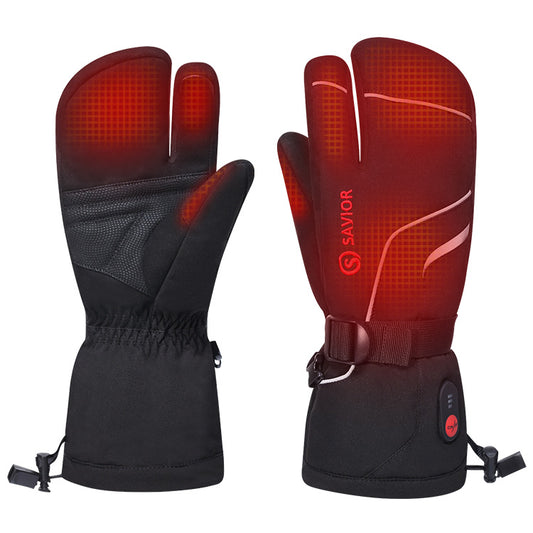
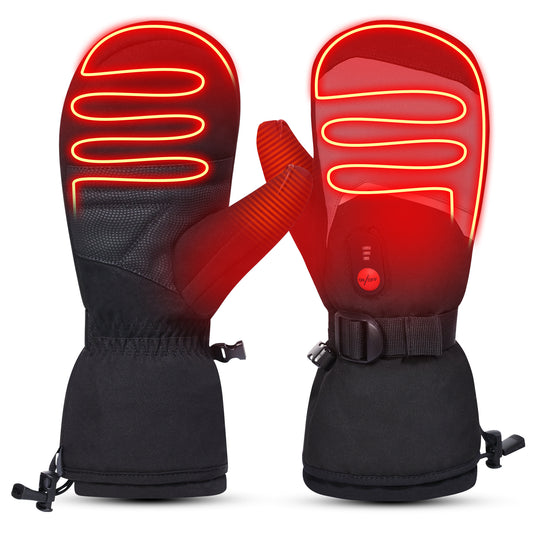
Heated gloves (sometimes searched as warming gloves or “gloves that warm your hands”) use thin heating elements built into the glove—typically across the fingers and the back of the hand. A rechargeable battery pack powers the heat, and most designs offer multiple heat settings so you can adjust warmth as conditions change.
For real-world winter use, insulation + wind protection + your heat setting together determine how warm your hands feel.
How long do heated gloves last on one charge?
Battery life varies by heat level, temperature, wind, and battery capacity. In general, battery heated gloves last several hours per charge, with a common pattern like:
- High heat: fastest warmth, shortest runtime
- Medium heat: balanced warmth for most winter days
- Low heat: longest runtime for steady comfort
If you need extended use (full day outdoors), choose rechargeable heated gloves with higher-capacity batteries, and consider keeping a spare battery set available.
Are heated gloves waterproof?
Some heated gloves are waterproof, while others are water-resistant. Waterproof performance depends on the full construction—outer shell, membrane (if used), seams, and how well the cuff seals out snow and moisture.
Practical guidance:
- For skiing/snowboarding and wet snow, look for waterproof heated gloves (or a waterproof/breathable build).
- For dry cold conditions (commuting, light outdoor use), water-resistant options may be sufficient.
How to choose the right size?
Choosing the right fit matters more than most people think—tight gloves can reduce circulation and make hands colder, even with heat on.
Step 1: Measure your palm
- Wrap a tape around the widest part of your palm (exclude the thumb).
- Compare to the size chart.
Step 2: Decide your fit preference
- If you want better dexterity (tools, grips), choose a closer fit.
- If you prefer extra insulation or plan to wear liners, sizing up slightly can be more comfortable.
This sizing advice applies whether you’re shopping for hand warm gloves, warming gloves, or performance-grade heated gloves.
Heated gloves for skiing vs work: what’s the difference?
Both categories keep hands warm, but they’re optimized differently.
Heated gloves for skiing
- Built for wind exposure, chairlift stops, and snow management
- Often feature longer cuffs and better snow sealing
- Warmth and comfort are prioritized over maximum dexterity
Heated gloves for work
- Built for durability, grip, and repeated daily wear
- Often use reinforced palms and abrasion-resistant materials
- Dexterity and handling are prioritized for tools and equipment
If you split time between both, start with your primary use case—wet snow vs heavy wear—and pick the build that matches.